
PRANAYAMA TRAINING
The Spirituality & Science of Yogic Breathing
For Students and Teachers
July 18th + 19th 2026
South Melbourne, Victoria
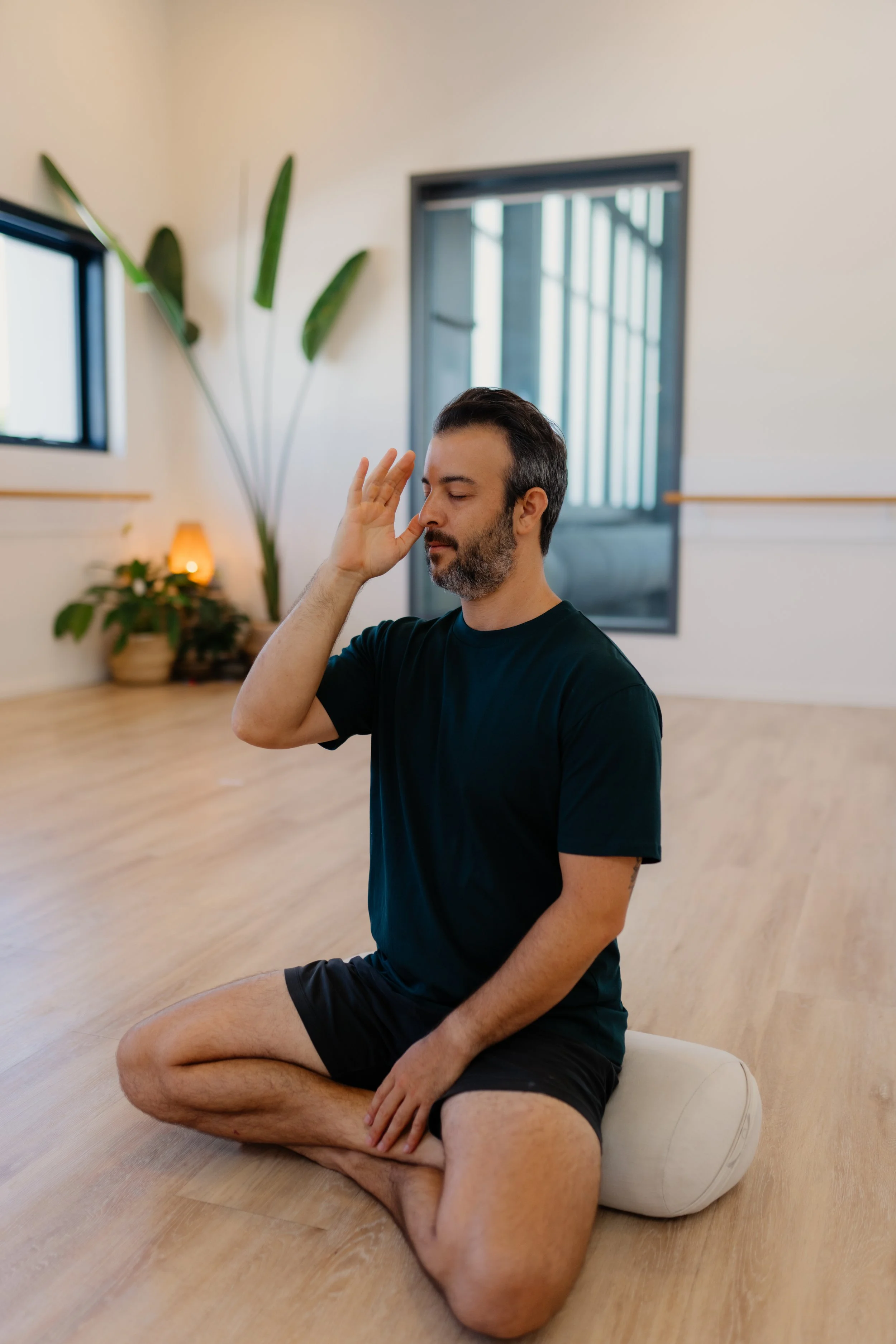
A Comprehensive 2-Day Immersion
Breath, Energy, Physiology & Consciousness
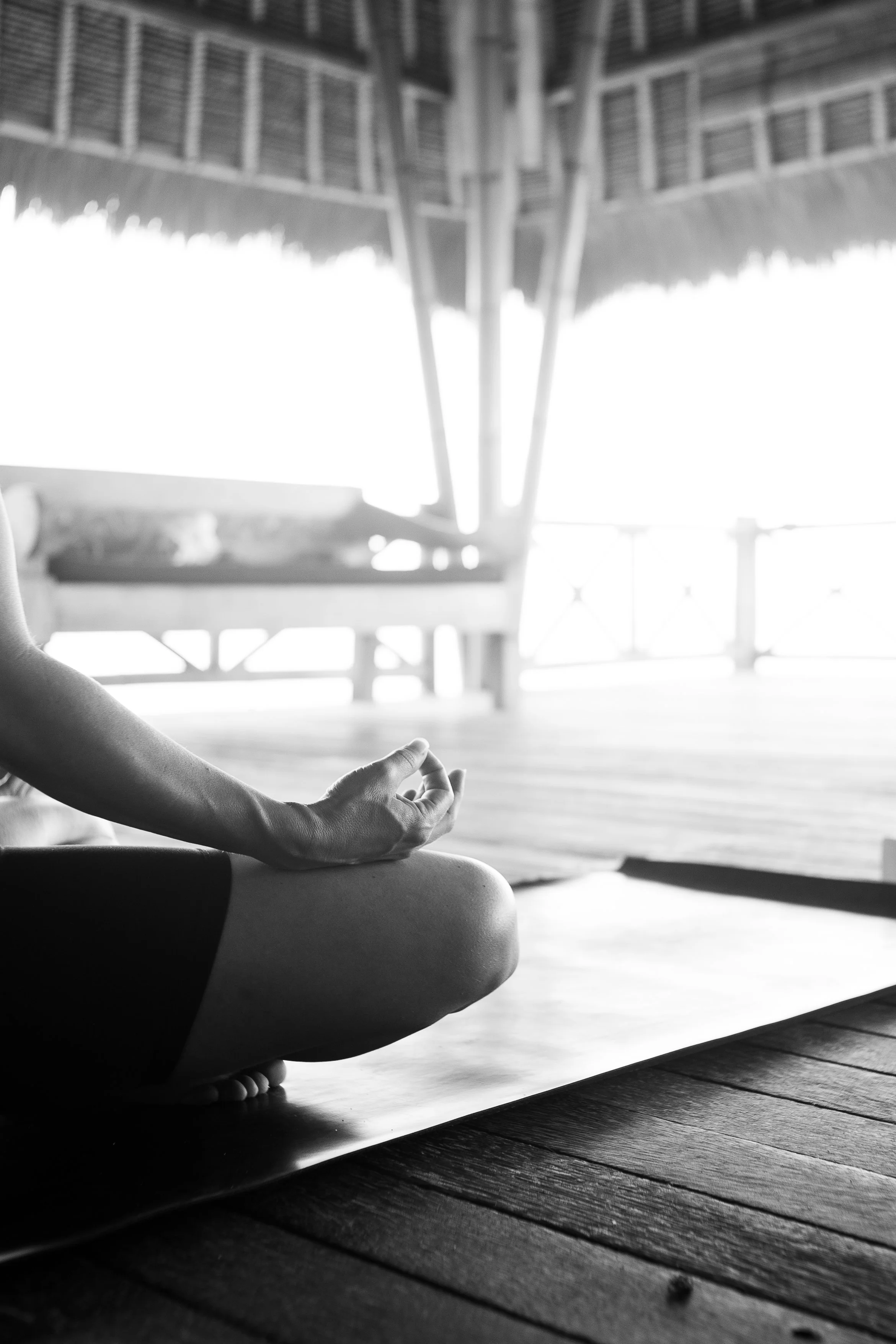
Most yoga practitioners encounter pranayama only briefly - often as a small component within a broader yoga teacher training. Yet within the traditional yogic systems, breathwork was never considered secondary. Pranayama has long been regarded as one of the most transformative and profound practices within yoga: a bridge between body and mind, physiology and consciousness, science and spirituality.
This immersive two-day training offers a rare opportunity to explore pranayama in both depth and clarity.
Designed for yoga teachers, dedicated students and complete beginners alike, this training balances modern scientific understanding with the rich philosophical and energetic teachings of the yogic tradition. Rather than presenting breathwork as either purely clinical or overly mystical, Nicky offers a grounded and deeply relatable approach that helps students genuinely understand why these practices work, how they affect us, and when different techniques should be applied.
Across the weekend, students will explore the physiology of breathing, nervous system regulation, traditional pranayama methods, meditation integration, mudra, energetic theory, facilitation techniques, the role of prana within Hatha Yoga, and the deeper context of pranayama within Yoga Darshan and yogic philosophy. More advanced and often misunderstood topics — including subtle energetics and the traditional discussions surrounding siddhis and altered states — are approached with nuance, balance and maturity.
What makes this training particularly unique is the way it is delivered.
With over 20 years of experience devoted to the practice, study and teaching of pranayama, Nicky is known for his ability to make complex subjects feel accessible without diluting their depth. His teaching style combines academic grounding, practical application and experiential learning with a highly intuitive and personalised approach. Rather than rigidly following a script, he works fluidly with the needs of the group — meeting students where they are while helping them build both confidence and genuine understanding.
Expect an environment that is thoughtful, immersive and highly interactive. There will be space for discussion, questions, personal guidance and direct experience throughout the weekend. Whether you are looking to deepen your own practice, integrate pranayama into meditation, or learn how to confidently share these teachings with others, this training is designed to leave you with practical tools, greater clarity and a far deeper appreciation for the transformative potential of the breath.
What to Expect
-
This training is designed to feel immersive, personal and highly interactive. Rather than simply delivering information in a rigid, one-size-fits-all format, Nicky works closely with the individuals in the room - meeting students where they are, whether they are completely new to pranayama or already experienced teachers looking to deepen their understanding and refine their facilitation skills.
With over 20 years of dedicated study, practice and teaching experience, pranayama remains one of Nicky’s most beloved areas of yoga. His teaching style combines structure, academic grounding and deep experiential insight, while leaving space for questions, discussion and individual guidance throughout the weekend. Students can expect a learning environment that is supportive, relatable and deeply engaging, with clear pathways for both personal practice and professional application.
-
Pranayama is often presented through either a purely scientific lens or an exclusively spiritual one. This training bridges both worlds in a grounded and accessible way, offering students a comprehensive understanding of the breath from modern physiological perspectives alongside the traditional yogic teachings surrounding prana, energy and consciousness.
Across the two days, students will explore the effects of breathwork on the nervous system, stress response, emotional regulation and mental clarity, while also learning about the energetic dimensions of pranayama found within Hatha Yoga and Yoga Darshan. Topics such as prana, mudra, meditation, energetic states and even the more esoteric dimensions of yogic practice are explored with clarity, balance and practicality - helping students understand not only what the practices do, but why they have been valued for thousands of years.
-
This training goes far beyond the brief introduction to pranayama that many students encounter in a standard 200-hour yoga teacher training. With two full days together, there is space to build strong foundations while also moving deeply into the history, philosophy, physiology, techniques, applications and subtleties of practice.
Despite the depth of content, the training is designed to remain approachable and easy to integrate. Complex ideas are translated into clear, relatable language so students leave with a practical understanding they can genuinely apply in real life - both on and off the mat. Whether you are a teacher, dedicated practitioner or complete beginner, the course is structured to support progressive and embodied learning without becoming overwhelming or inaccessible.
-
One of the central aims of this training is to help students develop clarity and confidence in both practising and sharing pranayama safely and effectively. Teachers will leave with a stronger understanding of how to structure classes, guide practices, adapt techniques for different individuals and facilitate sessions with greater confidence and sensitivity.
For students who are not teachers, the training offers a clear and empowering understanding of how pranayama can be integrated into daily life, meditation and personal wellbeing. Participants will leave with practical tools, consolidated knowledge and a clearer sense of how to continue progressing their own practice - as well as the ability to communicate these teachings to friends, family or students in a grounded and lucid way.
-
Throughout the weekend, students will explore a wide range of foundational and advanced pranayama teachings, including breath mechanics, nervous system regulation, traditional pranayama techniques, energetic theory, mudra, meditation integration, facilitation skills, troubleshooting common challenges and the historical roots of pranayama within the broader context of Hatha Yoga and yogic philosophy.
The training also explores the deeper intentions of pranayama practice through both modern scientific understanding and traditional yogic frameworks - helping students develop a more complete understanding of the relationship between breath, body, mind and consciousness. The content is designed to be both experiential and educational, balancing intellectual understanding with direct practice and lived experience.
-
This training is recognised as continuing education for yoga teachers through Yoga Alliance and can be counted towards continuing education hours for registered teachers.
Participants who complete the training will receive a certificate of completion, acknowledging their participation in this immersive two-day pranayama training.
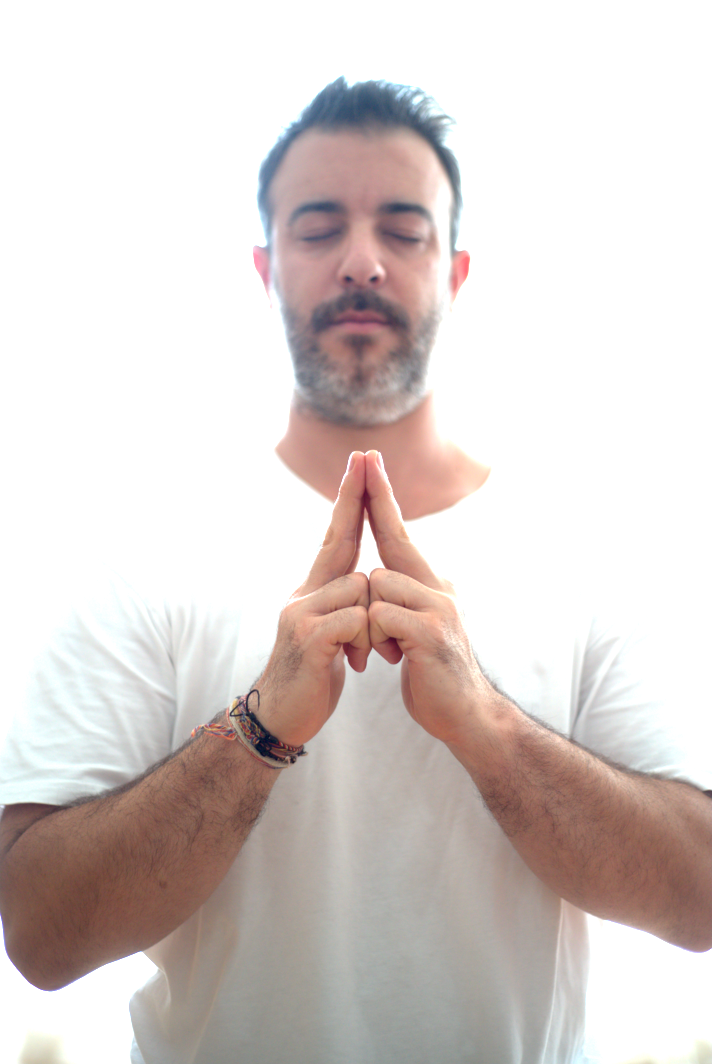
When & Where
July 18th and 19th
Saturday and Sunday
9am - 4pm both days
The Temperance Hall
199 Napier St,
South Melbourne VIC 3205
Investment
$320
Early bird price until June 14th
$390
After June 14th
Includes course manual, 2 days of course study and Yoga Alliance certification
About Your Teacher
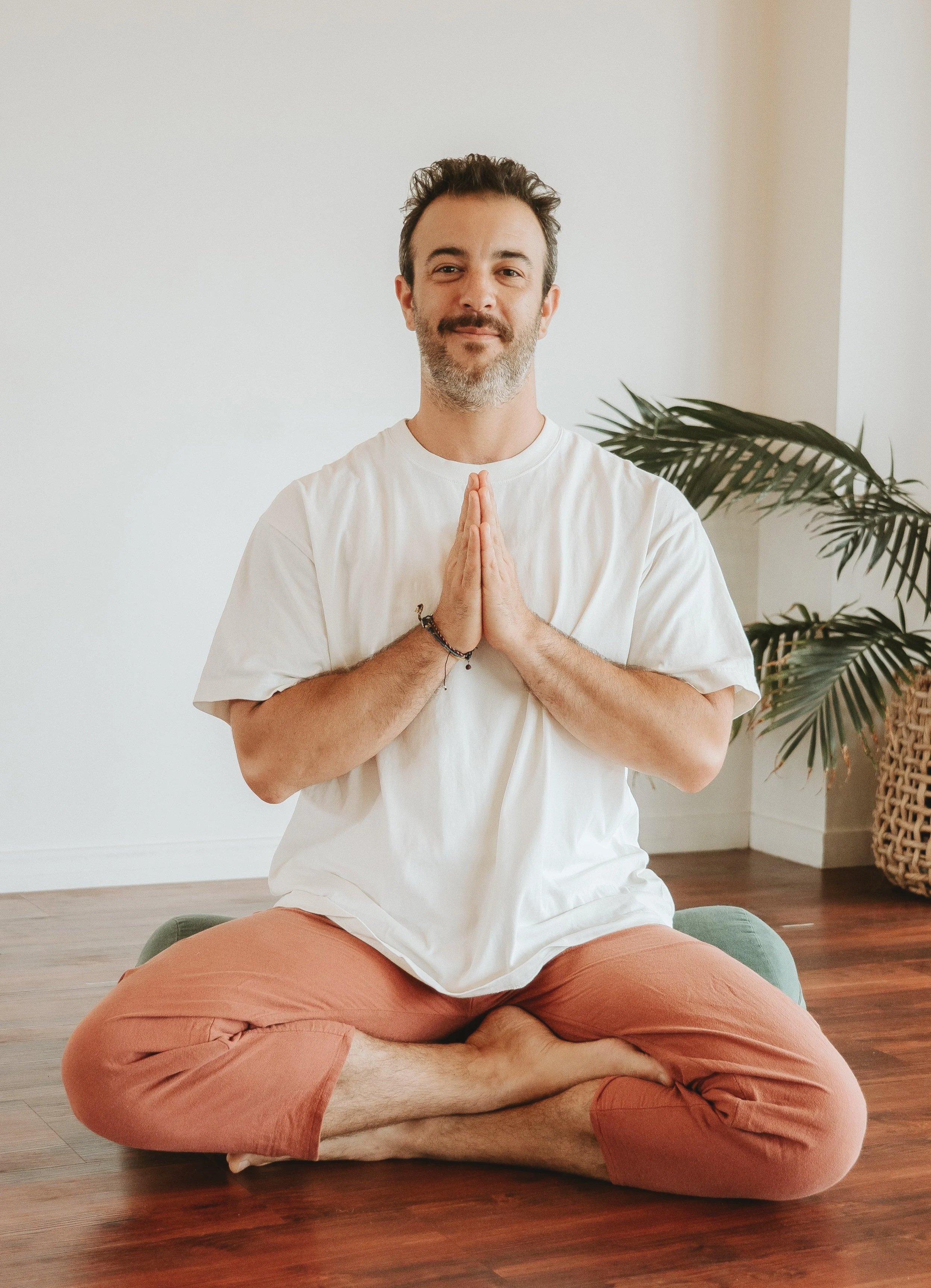
Nicky Grimsdale
Pranayama has been, without question, the most profound and transformative practice of my entire yoga journey. More than simply a breathing technique, it became the missing piece that brought coherence and depth to everything else I was exploring through yoga, meditation and self-inquiry. Through consistent practice over many years, I found pranayama to be indispensable for cultivating a balanced nervous system, intricate asana, a steady mind, deeper internal awareness, emotional clarity and an intimacy with stillness and consciousness that far exceeded anything I expected when I first began.
What fascinated me most was that the effects were not merely philosophical or symbolic - they were deeply tangible and experiential. The practices created immediate and measurable shifts in the body, mind and perception. This led me into a deep exploration of the physiological mechanisms behind pranayama: the nervous system, respiration, stress regulation, states of consciousness and the relationship between breath and cognition. But alongside the science, I also recognised that something far more subtle and profound was occurring - something that could not be fully explained through physiology alone.
That curiosity eventually led me deeply into the traditional yogic teachings surrounding prana, mudra, meditation, energetic cultivation and the more esoteric dimensions of Hatha Yoga, Swara Yoga and Yoga Darshan. Over the past two decades, I have immersed myself in both the modern scientific understanding and the historical spiritual frameworks of these practices, studying how the ancient teachings intersect with direct lived experience. What I discovered is that pranayama is vastly more sophisticated and transformative than it is often presented in modern yoga spaces. In many ways, it remains one of the most underappreciated and misunderstood aspects of yoga.
To me, pranayama is not separate from meditation or spiritual practice - it is one of the great bridges into them. It refines awareness, changes our relationship to the mind and nervous system, and opens dimensions of perception, stillness and vitality that most people never realise are available within themselves. While modern breathwork has brought valuable attention to the power of the breath, traditional pranayama offers an extraordinary depth, precision and long-term transformative potential that extends far beyond simple regulation or emotional catharsis.
The three subjects I feel most passionate about teaching are pranayama, meditation and Vedanta because they offer deeply practical pathways into understanding ourselves more clearly and living with greater awareness. What I love about pranayama in particular is that its benefits are often immediately felt - regardless of someone’s experience level - yet over time the practice continues to unfold in increasingly profound ways. Much like a fine wine, it reveals more depth, subtlety and richness the longer one stays with it.
My intention in teaching is to make these practices deeply relatable, accessible and experientially meaningful without diluting their depth or traditional roots. I aim to create an environment where people feel supported, understood and inspired - where complex ideas become clear, and where students leave not only with knowledge, but with a genuine felt connection to the transformative potential of the breath.